Blog

Find industry insights, practical guides, and selected perspectives here for ongoing valuable content.

Home Blog

Blog

Blog

Boundaries of functional claims for intimate care: How should detox, dryness repair, and tightening be expressed
Popular

Boundaries of functional claims for intimate care: How should detox, dryness repair, and tightening be expressed

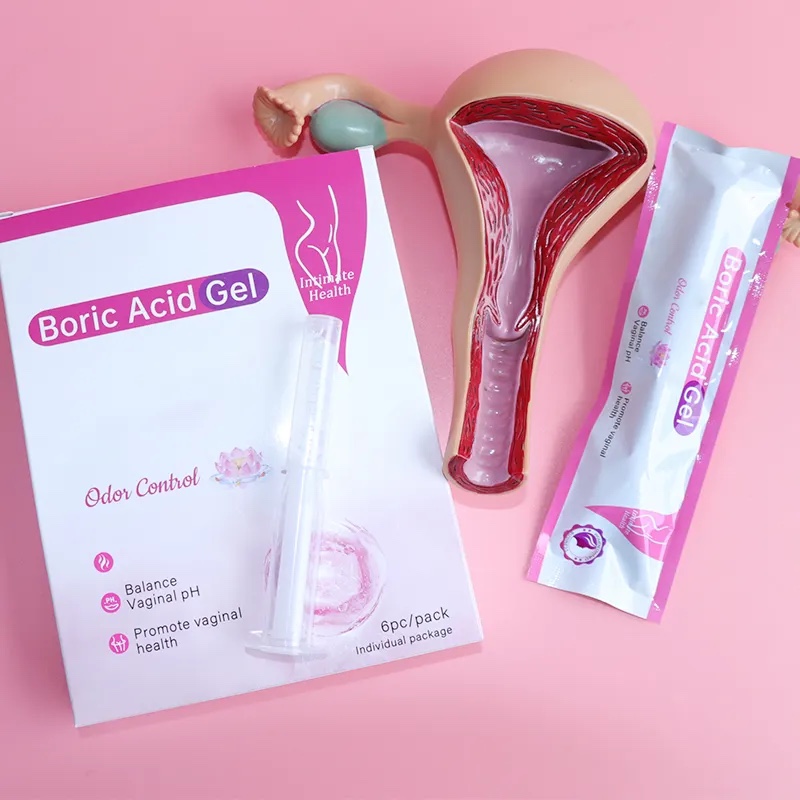
SELUNIVA YP-3 (Private Label Organic Vaginal Tightening Suppositories) belongs to the Yoni Pops boric acid suppository category. The product name contains Tightening, but the materials do not list tightening as an independent functional item. Starting from the product materials and target market rules, this article breaks down the writable boundaries of three types of claims—detox, dryness repair, and tightening—to help brand owners determine in detail pages, packaging, and private-domain communication which wording can be used directly and which needs to be rewritten or supplemented.

Read More →
Boundaries of functional claims for intimate care: How should detox, dryness repair, and tightening be expressed
2026-10-04

Boundaries of functional claims for intimate care: How should detox, dryness repair, and tightening be expressed

SELUNIVA YP-3 (Private Label Organic Vaginal Tightening Suppositories) belongs to the Yoni Pops boric acid suppository category. The product name contains Tightening, but the materials do not list tightening as an independent functional item. Starting from the product materials and target market rules, this article breaks down the writable boundaries of three types of claims—detox, dryness repair, and tightening—to help brand owners determine in detail pages, packaging, and private-domain communication which wording can be used directly and which needs to be rewritten or supplemented.
Packaging and labeling elements for private-label suppositories: what the brand owner should prepare before launch
2026-10-03

Packaging and labeling elements for private-label suppositories: what the brand owner should prepare before launch

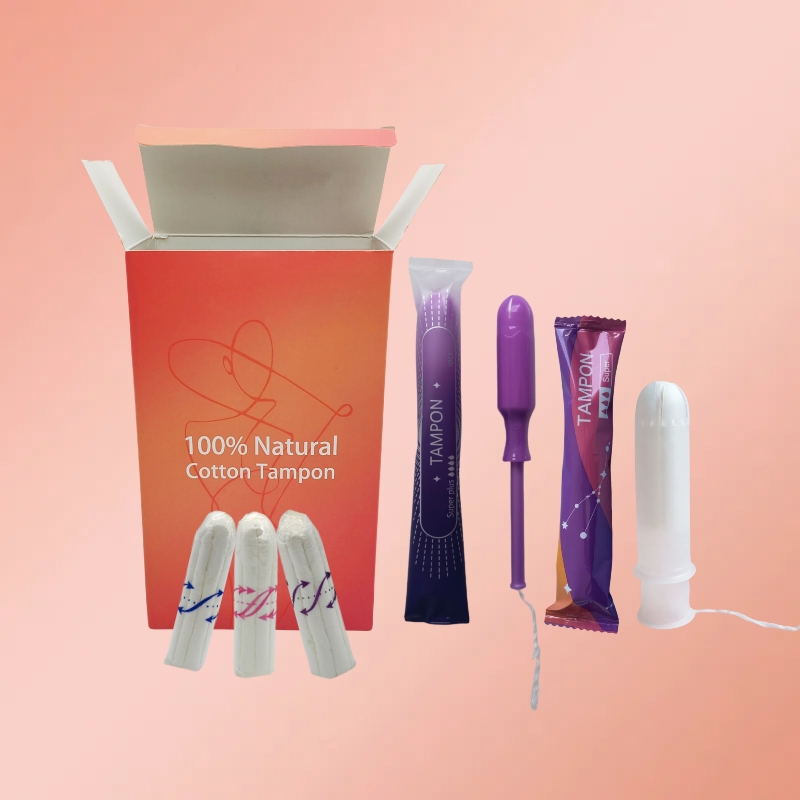
For brands planning to launch private-label suppositories, this article outlines the selection logic from formulation and dosage form, to the label information framework, and to the claim wording for the target market. It focuses on explaining how packaging and labels interlock with product definition, as well as the label documents, packaging material specifications, and OEM/ODM boundaries that need to be confirmed with SELUNIVA before inquiry.

Vaginal suppository usage methods and safety boundaries: consumer education content that brands can reuse
2026-10-02

Vaginal suppository usage methods and safety boundaries: consumer education content that brands can reuse

SELUNIVA YP-3 belongs to the vaginal suppository dosage form, is categorized under Yoni Pops, uses a boric acid formula, and is positioned as at-home auxiliary care for women's cleansing and dryness discomfort. This article is intended for brand owners, outlining the dosage form boundaries, compliant wording for the boric acid formula, safety use judgment lines, and the usage instructions and document checklist required for private label implementation, helping brands both clearly explain product value in consumer education and uphold the bottom line of compliance and after-sales risk.

YP-3 Boric Acid Suppository Specification Description: Checklist for Model, Ingredients, and Functional Parameters
2026-10-01

YP-3 Boric Acid Suppository Specification Description: Checklist for Model, Ingredients, and Functional Parameters

YP-3 is a private-label boric acid suppository model under SELUNIVA's Yoni Pops category, supporting OEM/ODM customization and available in stock. This article, from the four dimensions of identity verification, interpretation of ingredients and functional parameters, scenario suitability assessment, and specification confirmation checklist, helps brand owners and buyers clarify before inquiry which parameters can be directly confirmed and which must be completed with the SELUNIVA team, reducing rework during the sampling and listing stages.

What Are Yoni Pops: Dosage Forms, Methods of Use, and Category Boundaries of Vaginal Suppositories
2026-09-30

What Are Yoni Pops: Dosage Forms, Methods of Use, and Category Boundaries of Vaginal Suppositories

Yoni Pops are often mistaken for ordinary cleansing care products, but the dosage form determines their method of use and applicable boundaries. This article, from the definition of suppositories, usage logic, and functional positioning to private-label selection, helps brand owners determine whether the SELUNIVA private-label organic vaginal tightening suppositories (YP-3) match their own channels and target markets, and clarifies which conditions require further confirmation.

How to Create a Supplier Comparison Table: Dimensions and Question Templates for Women's Care OEM Selection
2026-09-29

How to Create a Supplier Comparison Table: Dimensions and Question Templates for Women's Care OEM Selection

When selecting a private label feminine care suppository supplier, comparing only unit price and minimum order quantity can easily overlook key capabilities such as formula undertaking, document compliance, and dosage form suitability. Using SELUNIVA YP-3 as an example, this article provides a comparison table framework that includes dimensions, weights, and an evidence column, helping brand owners systematically evaluate suppliers during the inquiry stage and clarify under what conditions it is suitable to pursue a full private label solution and under what conditions it is better to first validate the market with a standard product.

Small-batch trial orders and MOQ conflicts: low-risk startup ideas for private-label intimate care brands
2026-09-28

Small-batch trial orders and MOQ conflicts: low-risk startup ideas for private-label intimate care brands

Small-batch trial orders being blocked by MOQ is usually not because the supplier is setting limits, but because three fixed costs are at play: production line changeover, packaging material minimum order quantities, and documentation preparation. Focusing on SELUNIVA YP-3 (boric acid formula, in stock, supports OEM/ODM), this article presents three low-risk paths: white-label trial sales, standard packaging private labeling, and phased custom formula development, along with the key conditions that must be clarified before making an inquiry.

Private label female suppositories from inquiry to shipment: process steps and list of parameters to be confirmed
2026-09-27

Private label female suppositories from inquiry to shipment: process steps and list of parameters to be confirmed

This article is intended for brand owners planning to launch vaginal tightening suppositories under a private label. It outlines the dosage form boundaries of SELUNIVA YP-3, the scope of modifications for private label and OEM/ODM, the six milestones from inquiry to shipment, and which parameters can be directly determined and which must be confirmed item by item in conjunction with the target market. The core conclusion is: when the target market, label wording, and trial order pace are already clear, private label can solve specific problems; when the requirements are still drifting, it is more prudent to first validate with the standard version.

Can a Boric Acid Formula Be Labeled Organic: A Claim Compliance Assessment Framework for Brand Owners
2026-09-25

Can a Boric Acid Formula Be Labeled Organic: A Claim Compliance Assessment Framework for Brand Owners

SELUNIVA YP-3 private label boric acid suppositories use a boric acid formula, and the ingredient list states 100% natural herbs. When brand owners advance a private label project, the core obstacle is often not the formula itself, but whether an "organic" claim can be established. This article provides a judgment framework that branches by target market, sales channel, and claim type, helping brand owners clarify document requirements before making an inquiry and reducing ineffective communication.

FacebookInstagram